ABOUT US
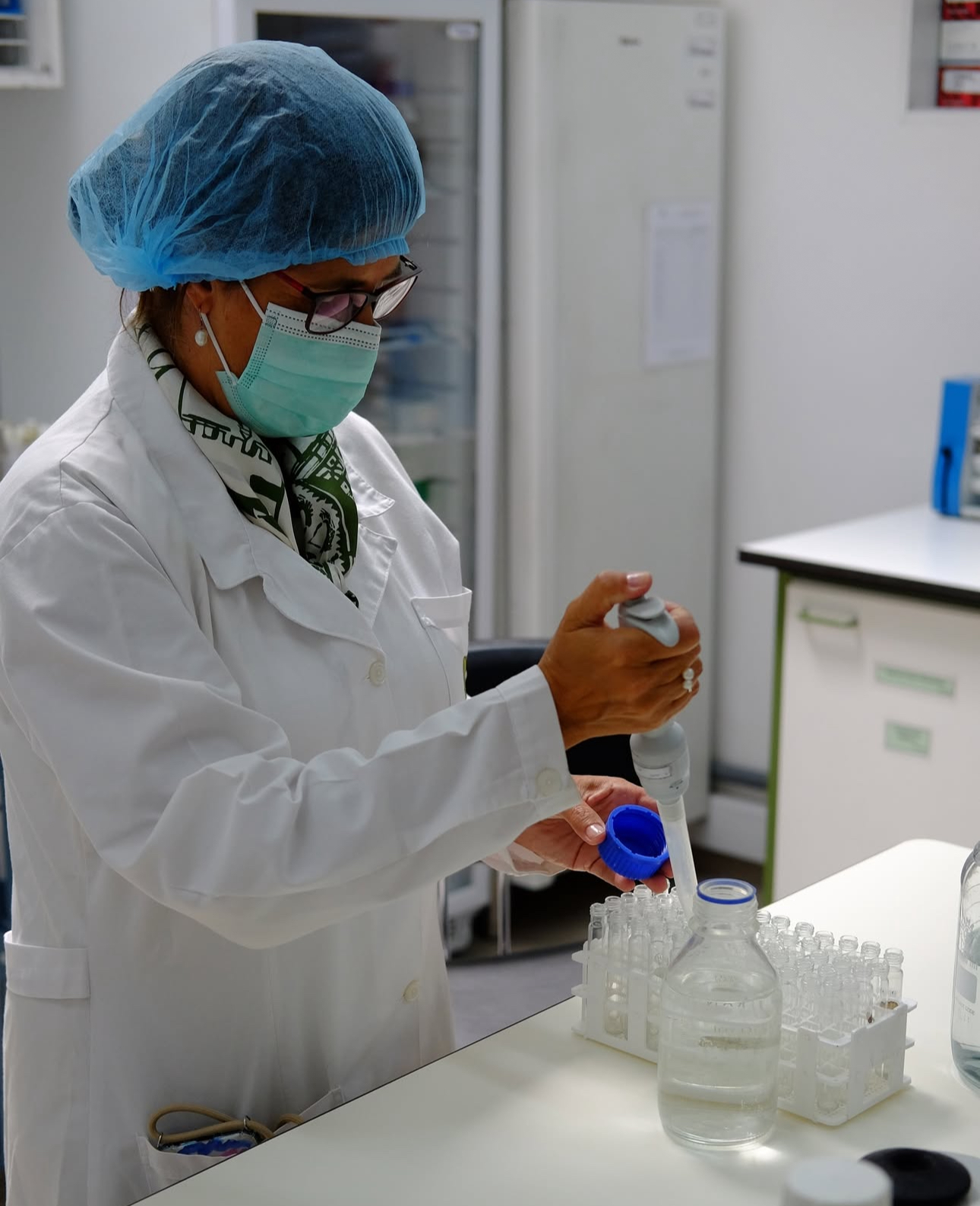
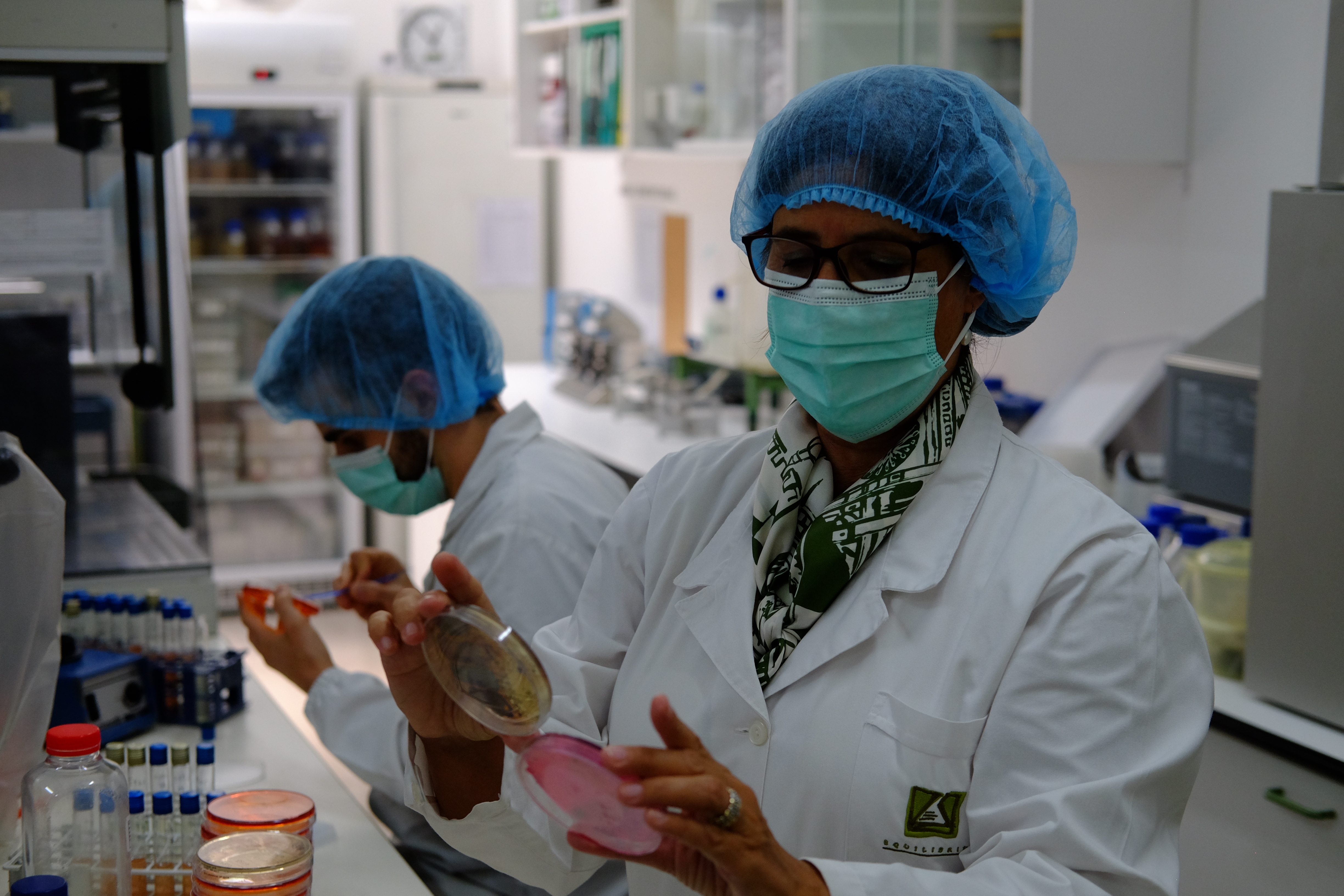
Equilibrium is an ISO/IEC 17025 Accredited Laboratory based in Portugal, with over 20 years of experience in analytical testing and quality control across sectors such as water, food, medical devices, cosmetics, textiles, personal protective equipment (PPE) and the environment.
With a growing focus on the medicinal plant and cannabis industries, Equilibrium provides specialized analytical services aligned with GACP (Good Agricultural and Collection Practices).
The laboratory offers accredited testing of soil, water, raw plant materials, air quality control and surfaces along with on-site sampling, auditing, and consultancy to support regulatory compliance.
Equilibrium actively contributes to research, innovation, and technical standardization, supporting both industry and public institutions in achieving quality, safety, and sustainability goals.
“Why is it important to test Herbal Medicinal Plants?
It is essential to ensure quality, safety, and regulatory compliance, especially when the plant is intended for medicinal or pharmaceutical use.”
pH, electrical conductivity
Organic matter, C/N
Micronutrients and macronutrients (NPK, Mg, Ca, Fe, Zn, etc.)
Contaminants: heavy metals (Pb, Cd, As, Hg), residual pesticides
Standards/Reference: ISO 11074, ISO 10381, EPA 3051A
Soil Analysis:
Cultivation
Control during cultivation:
Monitoring the plant, environment and good practices during the vegetative and reproductive cycle
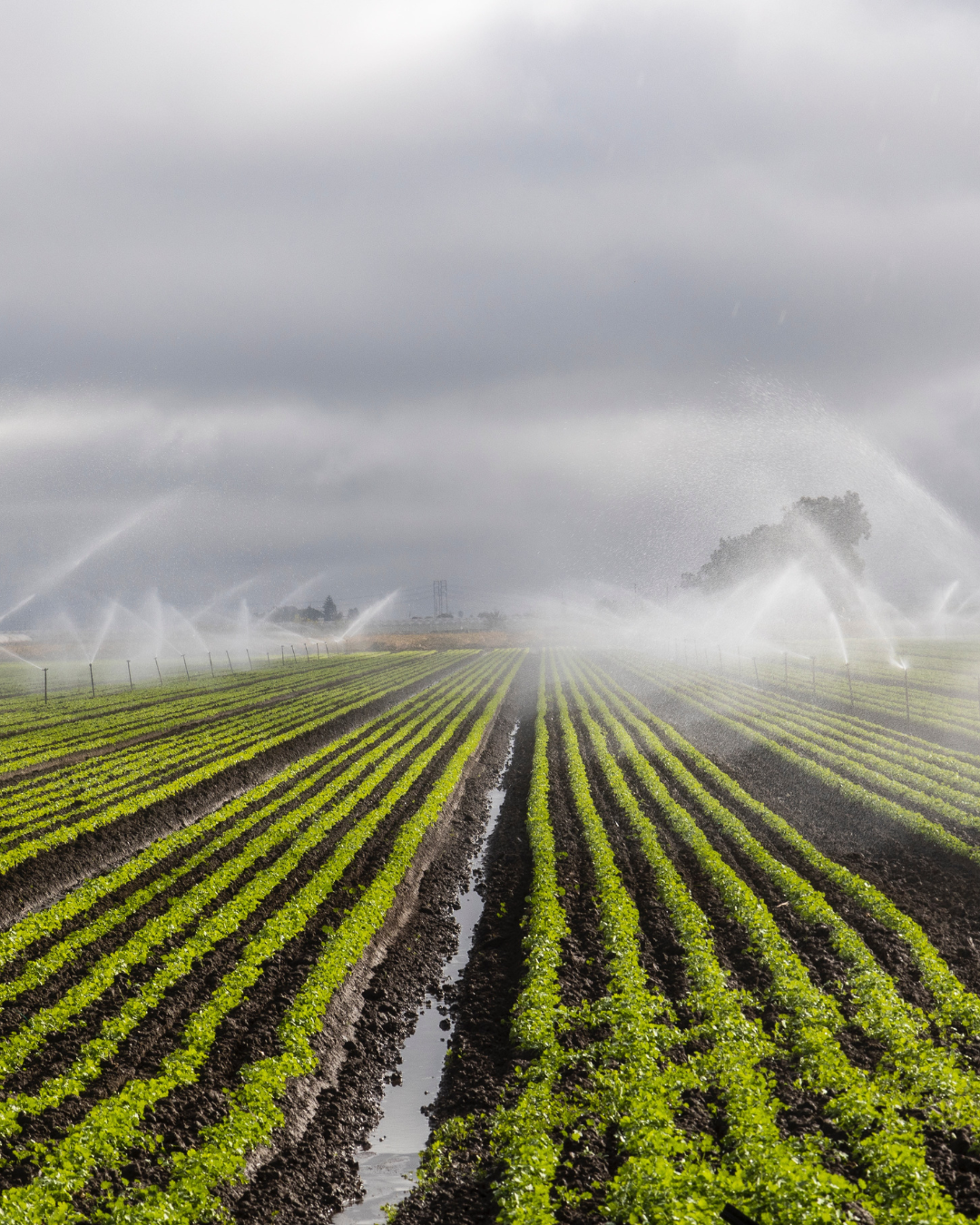
Water Analysis for Irrigation:
pH, hardness, salinity
Coliform bacteria, E. coli
Heavy metals
Volatile organic compounds (VOC), pesticides
Standards: ISO 5667, WHO Guidelines for Drinking Water Quality
Microbiological Control:
Evaluation of air and surfaces: total count of bacteria and fungi
Detection of pathogenic microorganisms (e.g. Aspergillus, Salmonella)
Standards: ISO 14698, ISO 18593, USP <1116>
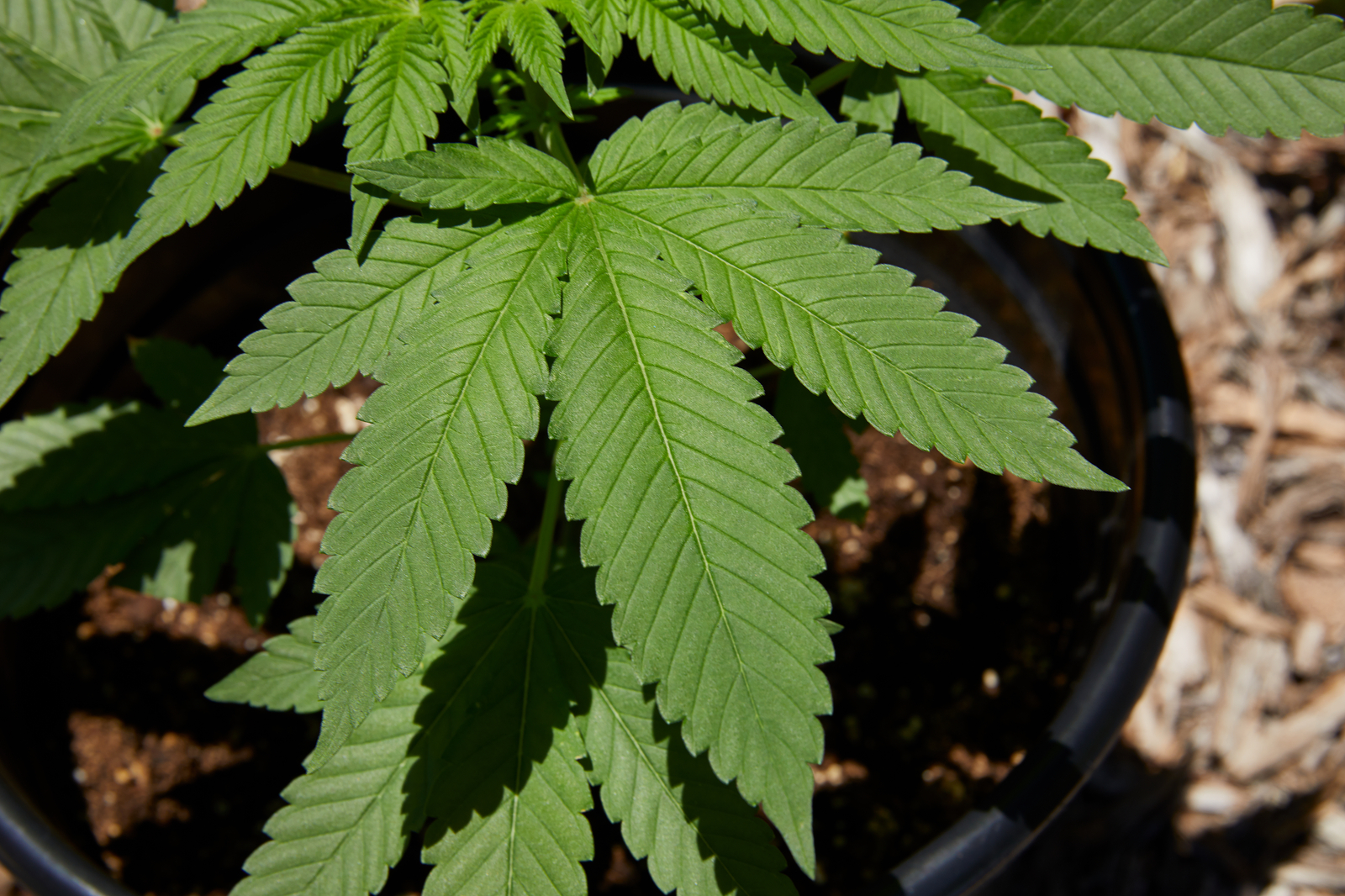
Cannabis is a complex plant with hundreds of compounds (cannabinoids, terpenes, flavonoids).
Equilibrium, in partnership with GACP, ensures that cultivation follows consistent practices that reduce variations in active ingredient levels.
This is crucial to guarantee predictable therapeutic effects and accurate dosages in cannabis-based medicines.
Our GACP practices aim to prevent contamination by:
Systematic testing under GACP standards helps prevent harm to health, especially for immunocompromised patients.
Harmfull Microorganisms
E. coli
Salmonella
Legionella
S. aureus
WHY IS IT IMPORTANT TO TEST HERBAL MEDICINAL PLANTS?
Bacteria
Fungi
Yeasts
Molds
Fusarium
Pythium
Viroids
Hop latent viroids disease
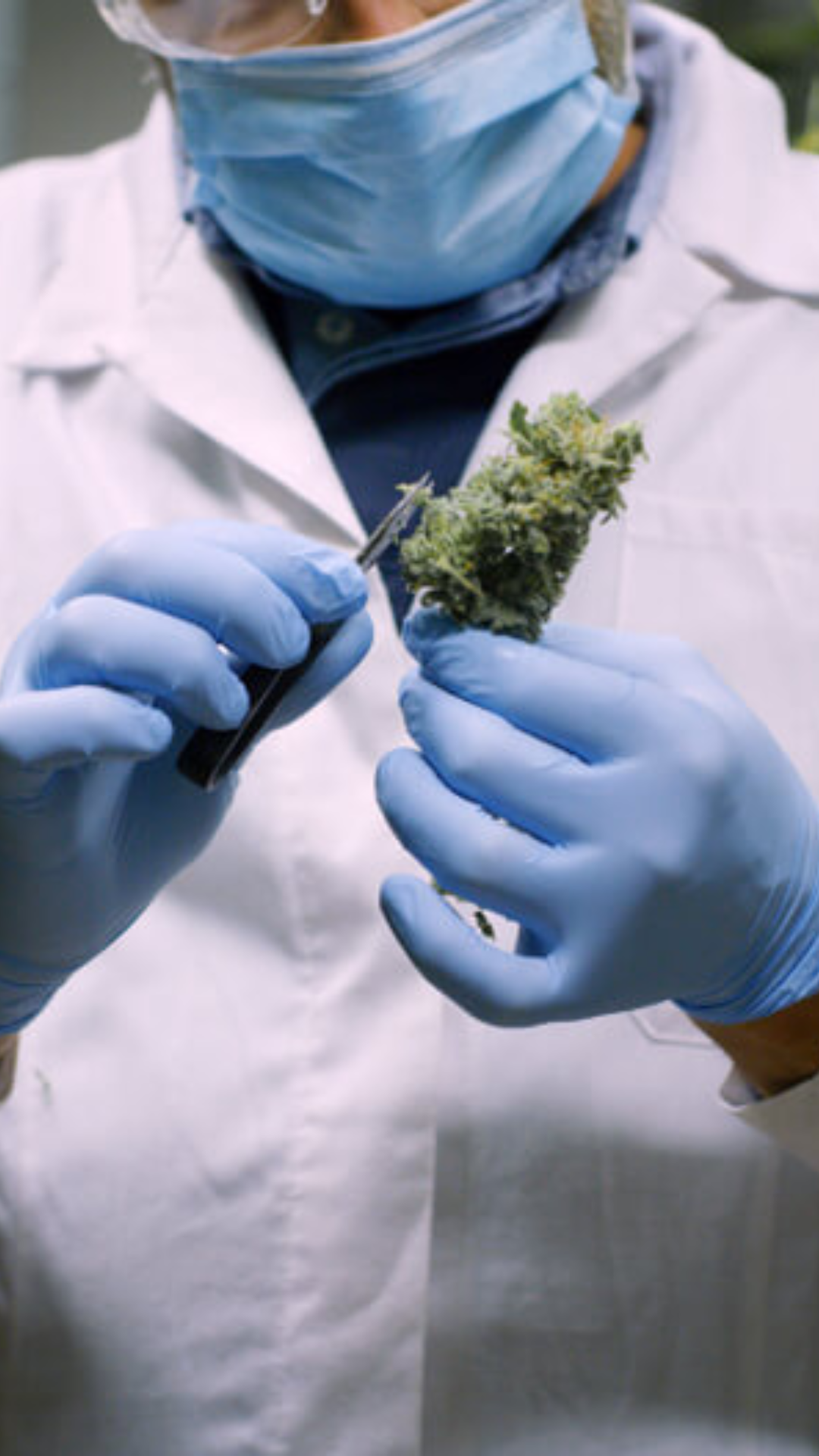
Tests conducted in accordance with Good Agricultural and Collection Practices (GACP) for Cannabis aim to assess the quality, safety, identity, and purity of the plant and its derivatives before they are processed or used in medicines.
WHAT KIND OF TESTS DO WE PERFORM?
Type of Tests
Confirm that the cultivated plant is Cannabis sativa L. (or another correct subspecies) and has not been mixed with another plant or unwanted variety.
Botanical Identification Tests

Guarantees authenticity of raw materials.
Microbiological Tests
They check for the presence of harmful microorganisms:
- Pathogenic bacteria (such as E. coli, Salmonella)
- Fungi and yeasts (especially dangerous in inhaled products)
- Mycotoxins (toxins produced by fungi, such as aflatoxins)
- Cultivation Plates
- PCR
Ensures that the product is safe for human use, especially for immunosuppressed patients.
Pesticide Residue Testing
They detect the presence of pesticides, herbicides, or fungicides used during cultivation.
Chemical residues can be toxic, especially when cannabis is smoked, vaporized, or used by patients with chronic illnesses.
VAlues
Competence

Experience

Trust

Strictness

Sustainability

Objectivity

Praceta João Villaret, 183, 4460-337 Senhora da Hora, Portugal
ADDRESS:
geral@equilibrium.com.pt
ContactS
+351 938369434


(Chamada para rede fixa nacional)